What to Expect During a Commercial Foundation Inspection
People searching for what to expect during a commercial foundation inspection can rely on local contractors to assess the condition of the foundation and identify potential issues.
Understanding what to expect during a commercial foundation inspection can help property owners feel more prepared for this important step in maintaining a building’s integrity. During the inspection, trained service providers typically evaluate the foundation’s current condition, looking for signs of damage such as cracks, uneven settling, or other structural issues. Knowing what areas will be examined and the types of assessments involved can provide clarity and peace of mind, especially for those managing commercial properties or planning renovations.
For property owners in the area, engaging experienced local contractors for a foundation inspection ensures a thorough and accurate assessment. These professionals can identify potential problems early, helping to prevent costly repairs down the line. As you explore this topic further, it’s helpful to keep in mind that reputable service providers are equipped to perform detailed inspections and offer insights into the foundation’s health, supporting informed decisions about property maintenance and management.
- Commercial building owners - when evaluating potential structural issues, local contractors perform thorough inspections to identify foundation concerns.
- Property managers - during routine assessments or before leasing, service providers conduct foundation inspections to ensure stability and safety.
- Real estate investors - prior to purchasing a commercial property, local pros assess the foundation to reveal any underlying problems that could impact value.
- Construction companies - during new builds or renovations, service providers inspect foundations to verify proper installation and identify potential defects.
- Facility maintenance teams - as part of ongoing upkeep, local contractors carry out foundation inspections to monitor for signs of shifting or damage.


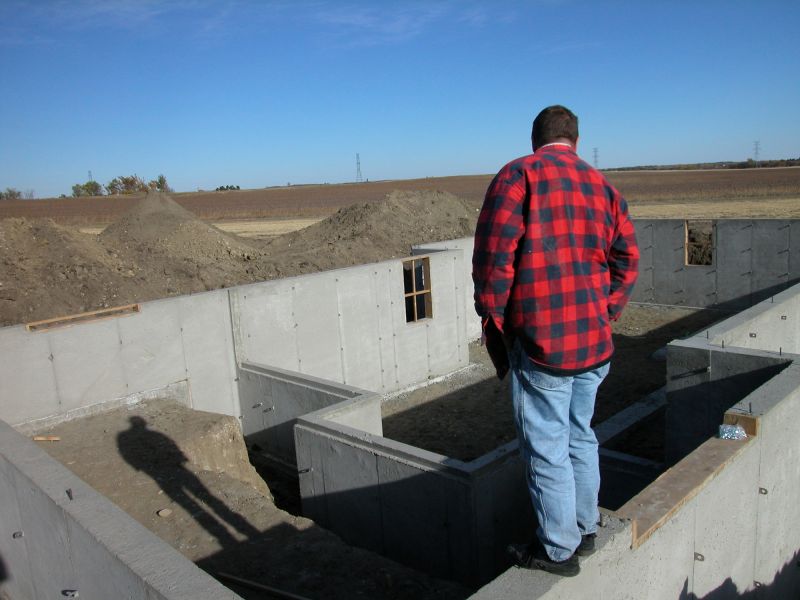
When searching for information about what to expect during a commercial foundation inspection, property owners often want to understand the process involved in evaluating the stability and integrity of a building’s foundation. This inspection is usually requested when there are signs of potential issues, such as visible cracks, uneven floors, or doors that no longer close properly. It can also be part of routine assessments for new construction projects or before purchasing or refinancing a commercial property. The goal of the inspection is to identify any existing problems or potential risks that could affect the safety, functionality, or value of the property, helping owners make informed decisions about repairs or further evaluations.
Commercial foundation inspections relate to a variety of property types, including office buildings, retail centers, warehouses, industrial facilities, and multi-family apartment complexes. These structures often have large footprints and are constructed with materials like concrete, steel, or masonry, which can develop issues over time due to soil conditions, moisture levels, or structural load. Owners of these properties typically seek inspections when they notice signs of settling, cracking, or shifting, or as part of regular maintenance to prevent costly repairs. The inspection process is designed to assess the current condition of the foundation, determine if there are any underlying problems, and provide guidance on necessary repairs or reinforcement strategies.
During a commercial foundation inspection, local service providers typically conduct a thorough visual assessment, examining the foundation’s exterior and interior for signs of distress. This includes checking for cracks, bulges, or uneven surfaces, as well as inspecting the surrounding soil and drainage conditions. In some cases, the inspection may involve the use of specialized tools or techniques, such as measuring levels, probing soil stability, or evaluating drainage systems. The inspector will also review any previous repair work or structural modifications. Property owners can expect the process to be systematic and detailed, with the goal of pinpointing the root causes of any issues and providing a comprehensive report on the foundation’s condition.
Understanding what to expect during a commercial foundation inspection can help property owners prepare for the process and work effectively with local contractors. These professionals are experienced in evaluating a wide range of commercial structures and can identify problems that may not be immediately visible. They play a key role in guiding property owners through the assessment, helping them understand the findings, and recommending appropriate next steps-whether that involves repairs, reinforcement, or further testing. Engaging with qualified local service providers ensures that the inspection is thorough, accurate, and tailored to the specific needs of the property, ultimately supporting the long-term stability and safety of commercial structures.
Soil Testing Services - professionals who perform soil testing for construction projects often conduct similar assessments during foundation inspections to evaluate ground stability and composition.
Structural Evaluation Projects - structural engineers and inspectors assess building integrity and detect issues related to settling or shifting, paralleling the visual and physical examinations in foundation inspections.
Retrofitting and Reinforcement Services - contractors specializing in foundation reinforcement utilize inspection findings to determine necessary upgrades and repairs for structural stability.
Drainage and Waterproofing Assessments - experts in drainage solutions evaluate water flow and moisture issues that can impact foundation health, similar to the planning in foundation inspections.
Concrete Repair and Restoration Projects - specialists in concrete repair work often perform assessments to identify cracks and deterioration, aligning with inspection processes for foundation integrity.
Site Preparation and Grading Services - these projects require detailed land assessment and planning, similar to the preparatory steps involved in foundation evaluation.

When evaluating commercial foundation inspection services, it is important to consider the experience of local contractors with similar projects. An inspector who has a proven track record working on commercial properties comparable in size, structure, and foundation type can offer insights tailored to the specific needs of the building. This experience often translates into a more thorough assessment, as seasoned professionals are familiar with common issues and the best approaches for identifying potential concerns during the inspection process. Ensuring that the service provider has a history of handling projects like the one at hand can help set expectations for the quality and depth of the inspection.
Clear, written expectations are essential when choosing a commercial foundation inspection service. A reputable provider should be able to outline what the inspection will cover, including the areas that will be examined and the types of issues that may be identified. This transparency helps prevent misunderstandings and ensures that all parties are aligned on the scope of work. Homeowners should seek out service providers who are willing to provide detailed descriptions of their inspection process in writing, giving confidence that the evaluation will be comprehensive and tailored to the property’s specific characteristics.
Good communication and reputable references are key indicators of a dependable service provider. Local contractors who communicate clearly and promptly can help homeowners understand the findings of the inspection and discuss potential next steps. Additionally, seeking references or reviews from previous clients can provide insight into the contractor’s professionalism, reliability, and the quality of their work. A foundation inspection is a critical step in maintaining the stability of a commercial property, and choosing a service provider with a strong reputation and open communication can help ensure the process is smooth, informative, and trustworthy.
Property owners often search for what to expect during a commercial foundation inspection when they are planning practical projects around their homes and businesses. Local pros provide Commercial Foundation Inspection services for everyday jobs and straightforward project options.
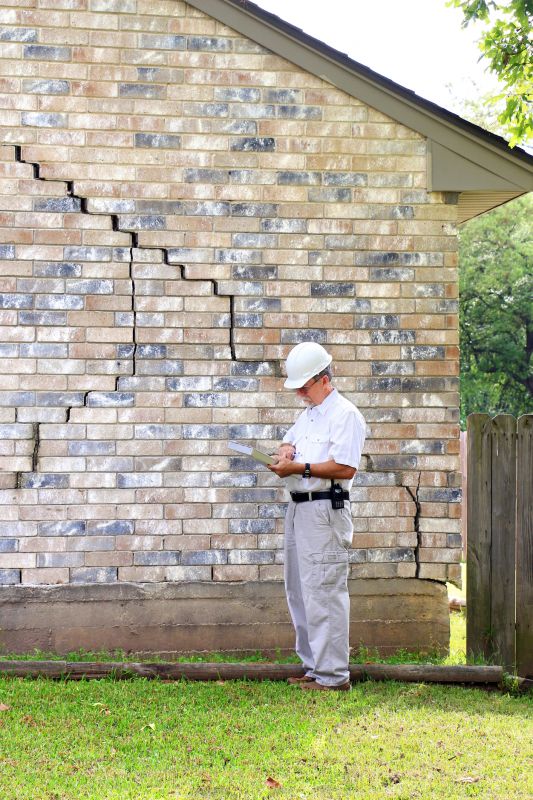

During a commercial foundation inspection, property owners can expect a thorough evaluation of the building’s structural base. Local contractors typically begin by examining accessible areas such as the basement, crawl space, or foundation exterior for signs of damage, including cracks, shifting, or water intrusion. They may also assess the condition of support beams, columns, and walls to identify any early indications of settling or structural stress. This process often involves visual inspections, measurements, and sometimes the use of specialized tools to detect issues that aren’t immediately visible, helping owners understand the current state of their property’s foundation.
Property owners in the area might look up this topic to gain clarity on what a professional foundation assessment entails, especially if they notice symptoms like uneven floors, cracked walls, or doors that won’t close properly. Understanding what to expect during a commercial foundation inspection can help them prepare for the process and make informed decisions about necessary repairs or maintenance. Local service providers are equipped to handle these inspections efficiently, providing assessments that can pinpoint potential problems early and support the long-term stability of commercial properties.
What happens during a commercial foundation inspection? During a commercial foundation inspection, local contractors typically examine the foundation for signs of damage, such as cracks, uneven settling, or water intrusion. They may also assess the surrounding soil and drainage conditions to identify potential issues that could affect the foundation's stability.
How do inspectors evaluate the condition of the foundation? Inspectors evaluate the foundation by visually inspecting accessible areas, measuring for any shifts or cracks, and checking for signs of movement or deterioration. They may also use specialized tools to assess the integrity of the foundation materials and structural connections.
What areas do commercial foundation inspections usually cover? These inspections generally cover the foundation’s exterior and interior, including basement or crawl space areas, load-bearing walls, and support beams. Inspectors also assess the grading and drainage around the building to prevent future foundation problems.
What are common issues identified during a commercial foundation inspection? Common issues include foundation cracks, uneven settling, water pooling near the foundation, and damage caused by soil movement. Identifying these problems early can help prevent more extensive and costly repairs in the future.
Why is it important to have a professional conduct a foundation inspection? A professional inspection by experienced contractors ensures a thorough assessment of the foundation’s condition. This can help identify potential problems early, providing valuable information for maintenance or repair planning to preserve the building’s stability.
Visual Inspection Process - Property owners can expect local contractors to examine the foundation's surface for visible cracks, uneven areas, or signs of shifting that may indicate underlying issues.
Assessment of Structural Elements - During the inspection, professionals evaluate supporting walls, columns, and beams for stability concerns that could impact the building’s integrity.
Soil and Drainage Evaluation - Local service providers may assess the surrounding soil and drainage conditions to identify factors that could affect foundation stability over time.
Reporting and Recommendations - After the inspection, property owners receive a detailed report highlighting findings and suggested next steps for repairs or ongoing monitoring.
If you are thinking about what to expect during a commercial foundation inspection for a property, this guide is meant to help you understand this topic, the typical project types, and how different options might fit your plans.
When you are ready, you can use the quote form on this page to share a few details about your project. From there, local pros can review the basics and follow up with options that match what you have in mind.